
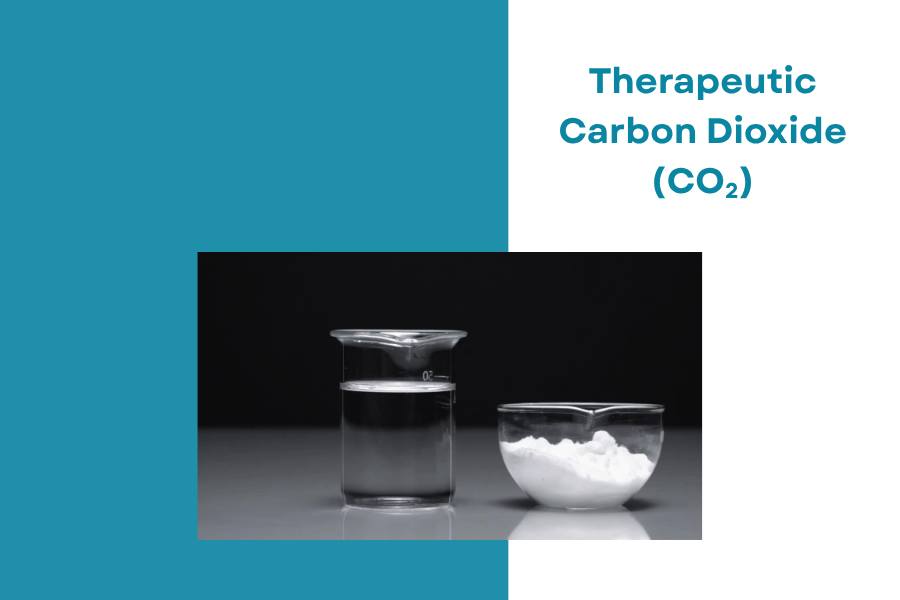
When we think about carbon dioxide (CO₂), we usually think of it as something the body needs to get rid of. We breathe in oxygen and breathe out CO₂. This makes it easy to assume that CO₂ is simply a waste product.
But the truth is more nuanced.
CO₂ is an important part of our normal physiology. It plays a role in respiration, blood flow, and the way oxygen is delivered throughout the body. And as researchers continue to explore therapeutic uses CO₂, we’re learning more about how this simple molecule may support the body’s natural ability to heal, recover, and find balance.
CO₂ and Circulation
One of the most interesting effects associated with therapeutic CO₂ exposure is vasodilation, or the widening of blood vessels.
When blood vessels open, blood can flow more freely to the tissues that need it. This increased circulation can be particularly helpful for the skin, muscles, and extremities, where healthy blood flow supports the delivery of oxygen and nutrients.
CO₂-rich therapies have been associated with increased blood flow and the familiar warmth and flushing that can occur as blood vessels open. CO₂ applications have also been explored for wound care, tissue recovery, muscle and joint discomfort, and conditions affecting circulation. Early medical observations have even reported reductions in pain and improvements in wound healing following localized CO₂ exposure.
Our bodies are constantly working to repair, restore, and protect us. Supporting healthy circulation is one way we can help give those natural processes what they need.
Supporting Oxygen Delivery
It may seem counterintuitive, but CO₂ actually plays an important role in how the body uses and delivers oxygen.
The relationship between oxygen and CO₂ is fundamental to respiration. Adequate CO₂ levels help regulate blood flow and influence how readily oxygen is released from hemoglobin to the tissues that need it.
So CO₂ isn’t simply something the body produces and eliminates. It is part of the beautifully designed and interconnected system that helps oxygen get where it needs to go.
CO₂ and the Nervous System
The effects of CO₂ aren’t limited to blood vessels and muscles.
The warmth, flushing, and sense of relaxation that can accompany CO₂ exposure may be associated with vasodilation and parasympathetic activity.
The parasympathetic nervous system is often described as the body’s “rest and recover” system. When we’re constantly under stress, it can be difficult for the body to fully settle into this restorative state.
Creating opportunities for the nervous system to slow down and shift toward relaxation is an important part of supporting the body’s natural healing processes.
The Bigger Picture
CO₂ shouldn’t be viewed simply as a waste product.
It is part of the body’s intricate system for regulating blood flow, oxygen delivery, and respiration. Therapeutic CO₂ applications are exploring whether controlled exposure can take advantage of these natural physiological effects to support circulation, recovery, relaxation, and tissue health.
And ultimately, that’s what makes this so fascinating: the body is already equipped with incredibly sophisticated systems for maintaining balance and healing. Sometimes, our role is simply to understand those systems better and find gentle ways to support them.
If you’re interested in trying it for yourself, we recommend a therapeutic CO₂ soak! It is a great way to experience the potential benefits of therapeutic CO₂ from the comfort of home.
Learn how to do a carbon dioxide soak →
For a wealth of information on the benefits of CO₂ exposure and methods of increasing it, we recommend ConciousBreathing.com.









0 Comments