
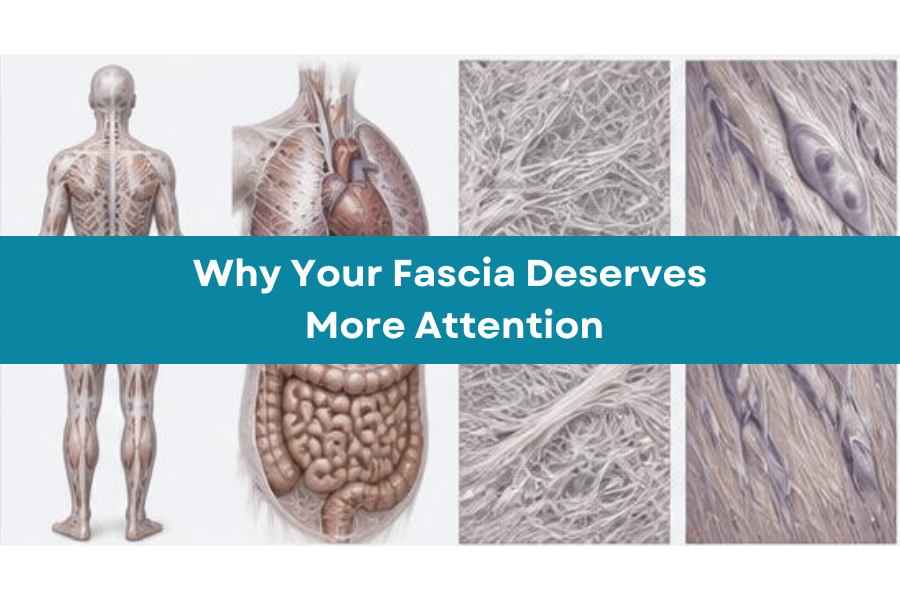
When we think about health, we often focus on our heart, our gut, our hormones, or our immune system. Yet there’s another remarkable system quietly supporting every movement we make—a living web of connective tissue called fascia.
Fascia wraps around every muscle, bone, nerve, blood vessel, and organ, creating a continuous network that connects your entire body. It’s not simply “packing material.” It’s living tissue that helps provide support, stability, communication, and movement throughout the body.
In many ways, fascia reminds us of one of the most beautiful truths about health: everything in the body is connected.
Fascia Reflects the Way We Live
Healthy fascia is flexible, hydrated, and resilient. It allows our muscles to glide effortlessly, supports healthy posture, and helps us move with greater ease.
But like so many systems in the body, fascia responds to our daily habits. These include:
- Long hours of sitting
- Repetitive movements
- Old injuries
- Poor hydration
- Chronic inflammation
- Emotional stress
- Lack of sleep
- Surgeries
- Scar tissue
- Even shallow breathing can all influence the health of this connective tissue.
Over time, fascia may become restricted, less elastic, and less able to move freely. Many people begin to notice stiffness, tension, reduced flexibility, or aches that seem to move from one area of the body to another.
Because fascia is interconnected, a restriction in one part of the body can affect seemingly unrelated areas.
The Missing Link Between Inflammation and Movement
Inflammation is the body’s natural healing response, but when it becomes chronic, it can affect tissues throughout the body—including fascia.
An inflamed environment may contribute to tissue stiffness, reduced mobility, and discomfort. Supporting the body’s natural ability to regulate inflammation through healthy nutrition, restorative sleep, stress reduction, and regular movement can benefit not only your joints and muscles, but also the connective tissue that supports them.
Healing isn’t just about treating one painful spot—it’s about creating an internal environment where the entire body can function optimally.
Fascia and Your Lymphatic System
Your lymphatic system plays an essential role in immune health by helping remove cellular waste and supporting fluid balance. Unlike the heart, which pumps blood continuously, the lymphatic system relies heavily on movement to keep lymph flowing.
Healthy fascia and healthy movement work together.
Walking, stretching, deep breathing, gentle rebounding, yoga, and manual therapies can all help encourage healthy circulation of both blood and lymph throughout the body.
When we move, we’re doing far more than exercising our muscles—we’re supporting one of the body’s natural cleansing systems.
Fascia and the Nervous System
Perhaps one of the most fascinating discoveries about fascia is how richly connected it is to the nervous system.
Fascia contains millions of sensory nerve endings that help your brain understand where your body is in space while also responding to tension, pressure, and movement.
When we’re under chronic stress, our bodies often shift into a protective state. Muscles tighten. Breathing becomes shallow. Shoulders creep upward. Over time, this tension can be reflected throughout the fascial system.
Gentle movement, mindful breathing, massage, osteopathic treatment, stretching, and other hands-on therapies may help calm both the tissues and the nervous system, allowing the body to return to a more balanced state.
Sometimes healing begins not by doing more—but by creating the conditions that allow the body to relax.
Supporting Fascia Naturally
The wonderful thing about fascia is that it responds to consistent, loving care.
Simple daily habits can make a meaningful difference:
- Move your body often, especially if you spend much of the day sitting.
- Stay well hydrated.
- Eat nutrient-rich foods that help support healthy connective tissue and reduce inflammation.
- Prioritize quality sleep so your body has time to repair and restore.
- Practice deep breathing and stress-reducing activities that calm the nervous system.
- Consider therapies such as massage, myofascial release, cranial osteopathy, or other gentle manual treatments when appropriate.
One of my favorite fascia experts is “Human Garage”. They have pioneered a movement practice called “Fascial Maneuvers” that help the body heal naturally. They are on a mission to inspire one billion people around the world to heal themselves. You can check them out on YouTube here. I have personally benefited greatly from their program.
A Gentle Reminder
Our bodies were beautifully designed to move, adapt, and heal.
When we care for our fascia, we’re not simply improving flexibility—we’re supporting healthy movement, healthy circulation, lymphatic flow, nervous system balance, and the body’s incredible ability to restore itself.
Healing rarely happens by focusing on just one organ or one symptom. It happens when we nurture the body as the wonderfully connected whole that it is.
Perhaps it’s time we gave our fascia the attention it deserves.







0 Comments